Last Updated on February 11, 2025 by Brian Beck
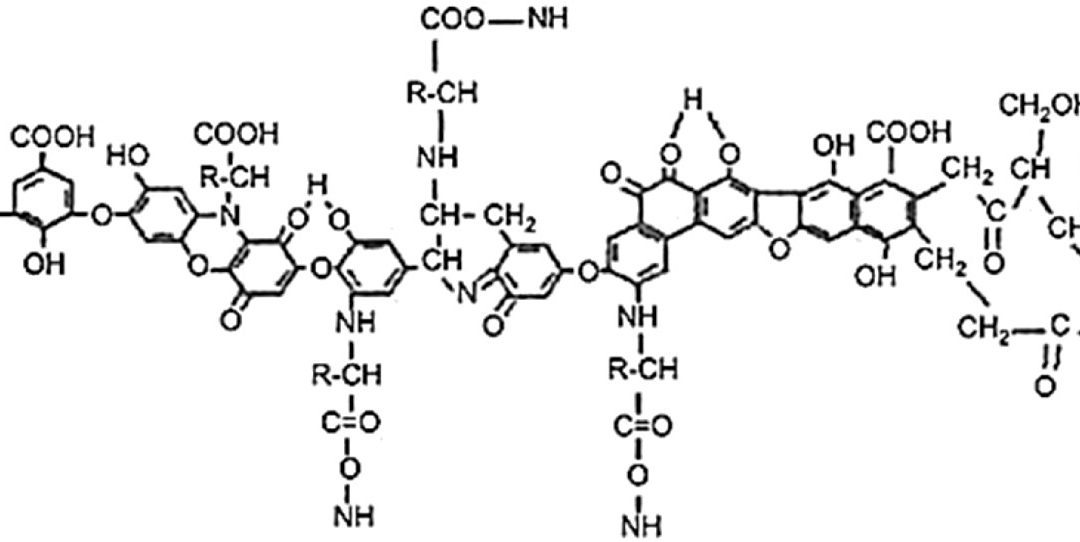
Humic acid is a complex organic compound that plays a vital role in enhancing soil fertility and promoting healthy plant growth. Derived from decomposed organic matter, it forms a significant part of humus, the organic component of soil. Humic acid is produced through the natural processes of microbial decomposition, where plant residues and other organic materials undergo transformation over time. This process results in a rich, dark substance that not only enriches the soil but also improves its physical, chemical, and biological properties.
One of the most remarkable features of humic acid is its ability to improve soil structure. It binds soil particles together, creating aggregates that enhance aeration and drainage while reducing soil compaction. This improved structure allows roots to penetrate deeper into the soil, accessing essential nutrients and water more effectively. As a result, plants can grow stronger and more resilient, leading to better yields and overall health. For prospective clients, understanding the transformative power of humic acid on soil structure can inspire confidence in investing in its use for agricultural practices.
Furthermore, humic acid is known for its excellent nutrient-holding capacity. It acts like a sponge, retaining essential nutrients such as nitrogen, phosphorus, and potassium, which are crucial for plant development. This nutrient retention helps to minimize leaching, ensuring that plants have a consistent supply of the elements they need to thrive. By incorporating humic acid into their soil management practices, clients can optimize nutrient availability, reduce the need for chemical fertilizers, and promote sustainable agricultural practices that protect the environment.
In addition to improving nutrient availability and soil structure, humic acid enhances microbial activity within the soil. A diverse and active microbial community is essential for nutrient cycling and organic matter decomposition. Humic acid serves as a food source for beneficial microbes, fostering a vibrant soil ecosystem. This microbial activity not only aids in the breakdown of organic materials but also contributes to disease suppression and improved plant vigor. For clients looking to enhance their soil fertility, the role of humic acid in promoting a healthy soil microbiome is a compelling reason to consider its application.
Ultimately, the benefits of humic acid extend beyond just soil fertility; they encompass the broader goals of sustainable agriculture and environmental stewardship. By understanding and utilizing humic acid, prospective clients can take significant strides toward improving soil health, achieving higher crop yields, and reducing reliance on chemical inputs. Embracing humic acid as a key component of soil management strategies opens up exciting possibilities for enhancing agricultural productivity while contributing to the long-term sustainability of our planet’s resources.