

There Is No Difference…
🌱 1. How Microbes React to Synthetic Fertilizers Synthetic nitrogen is usually delivered in forms like: Urea (CO(NH₂)₂) Ammonium nitrate (NH₄NO₃) Ammonium sulfate ((NH₄)₂SO₄) These forms are: Highly water-soluble Immediately plant-available Saline in nature (high salt...
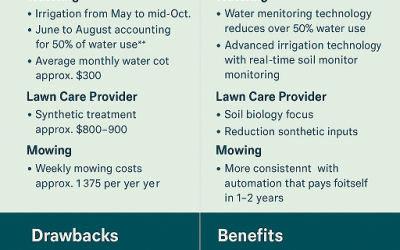
A Tale of Two Lawns: Traditional Maintenance vs. Trinity System
A Tale of Two Lawns: Traditional Maintenance vs. Trinity System Scenario Overview: A 4,000 sq. ft. residential cool-season bluegrass lawn is maintained from May through mid-October. The majority of water is used from June through August, accounting for 50% of the...

Experience, Wisdom, and the Quiet Power of Nature
🌄 Experience, Wisdom, and the Quiet Power of Nature There’s something profound about sitting in stillness—watching the sun dip behind ancient mountains, knowing they’ve stood longer than any modern invention. That’s the wisdom of nature. And in the world of lawn care,...
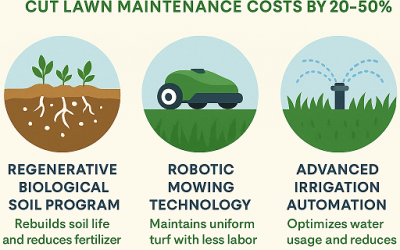
Introducing Trinity: The Future of Lawn Care Has Arrived
🌿 Introducing Trinity: The Future of Lawn Care Has Arrived For decades, lawn care has been stuck in a costly, reactive cycle. Spray, mow, water. Then repeat. Again and again. But what if we told you there’s a smarter, leaner, and more effective way to manage the...

The May Sprint & Summer Stall: Why Traditional Lawn Care is a Costly Roller Coaster
🎢 The May Sprint & Summer Stall: Why Traditional Lawn Care is a Costly Roller Coaster Every year, like clockwork, there’s a mad dash in May. Lawns are suddenly the top priority—out come the mowers, fertilizer bags, sprinkler timers, and weed killers. Homeowners...
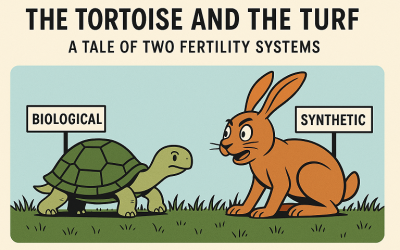
The Tortoise and the Turf: A Tale of Two Fertility Systems
🐢🐇 The Tortoise and the Turf: A Tale of Two Fertility Systems Once upon a time, in a land of lush lawns and weary homeowners, two very different approaches to turf management set off on a race. One was flashy, fast, and full of shortcuts. The other was methodical,...
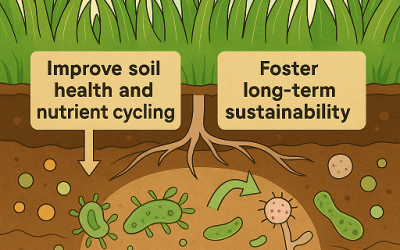
What “Buffering” Means in Soil Biology
When we say microbes "buffer" excess elements in the soil, we mean that microbes help regulate, neutralize, or mitigate the negative effects of nutrients or minerals that are present in excessive or imbalanced amounts—so they don’t harm the plant or throw off the soil...

“The Cost of the Part-Time Lawn: How Inconsistency Is Breaking Your Bank and Your Spirit”
In the world of lawn care, there’s a hidden epidemic that’s quietly draining wallets and patience alike: the seasonal mentality. It’s the mindset that your lawn is a part-time responsibility—something you lavish with attention in May, ignore in July, and try to revive...
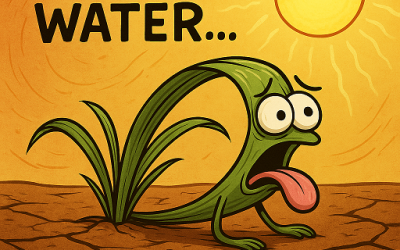
“The Thirsty Truth: What Happens to Soil, Plants, and Microbes When Dehydrated”:
Most people assume that dry soil simply means it’s time to water the lawn. But the reality is far more complex—and far more costly—than a cracked surface or wilting grass blades. Dehydration affects not just your turf’s appearance, but the entire subterranean...
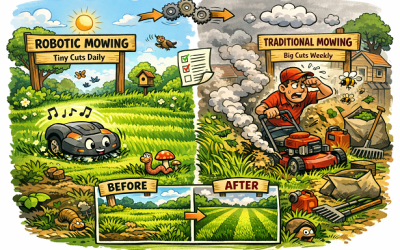
Robotic Mowers 101: How They Actually Cut Grass (And Why It Looks Better)
If you’ve only ever known the “weekly mow,” robotic mowing can feel like a magic trick. You look out at the yard and it just… stays clean. No clumps. No scalping. No “jungle week” when life gets busy. And the lawn starts looking more like a carpet over time, not less....
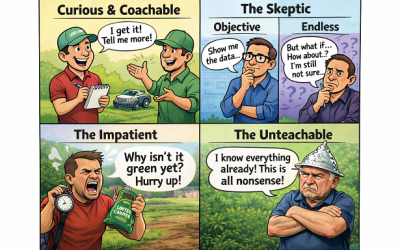
The Four Types of People We Encounter — And Why the Outcome Is Rarely About the Lawn
After years of working with homeowners across traditional lawn care, biological programs, and now robotic mowing, I’ve learned something important: The outcome of a lawn program has far more to do with the type of person involved than the products, equipment, or even...
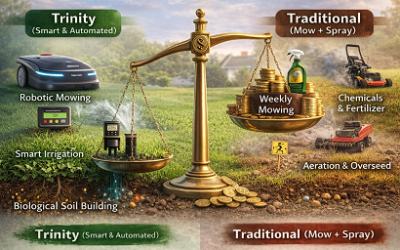
The Real Cost of a Lawn: Trinity vs. Traditional “Mow + Spray” Ownership
Most homeowners think lawn care costs are the check they write. The monthly mow bill.The fertilizer plan.Maybe a sprinkler tune-up. But that’s not the real number. The real number is cost of ownership—everything you pay in money, time, stress, rework, water waste, and...